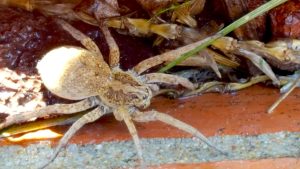

You finally get rid of the ants in the kitchen or the spiders in the basement, only to find them returning a few weeks or months later. If this sounds familiar, you’re not alone. Many recurring pest problems happen because the conditions that attracted the pests in the first place haven’t been addressed.
Long-term pest control isn’t just about eliminating the pests you can see. It’s about preventing the next infestation before it starts.
At Lindy’s Pest Control, we help homeowners and businesses throughout central Kansas identify the source of recurring pest problems and develop preventative solutions that provide lasting protection.
TL;DR: why pests come back
- Pests return when food, water, and shelter remain available.
- Small entry points make it easy for pests to re-enter your home.
- Seasonal weather changes often drive pests indoors.
- DIY treatments may not eliminate the entire infestation.
- Preventative pest control helps reduce recurring problems.
- Professional inspections identify conditions that attract pests.
Why Do Pests Return?
Most pests are looking for three basic things: food, water, and shelter.
If your home continues to provide these resources, insects and rodents are likely to return even after an initial treatment. Crumbs, standing water, cluttered storage areas, and accessible nesting locations all make your property more attractive to unwanted pests.
Removing these attractants is an important part of long-term pest prevention.
How Do Pests Keep Getting Inside?
Many pests enter through openings that homeowners don’t even realize exist.
Small gaps around doors and windows, damaged weatherstripping, utility penetrations, foundation cracks, attic vents, and openings around pipes can all provide easy access. Even tiny gaps may be large enough for insects and rodents to enter.
Sealing entry points helps reduce opportunities for future infestations.
Does the Weather Affect Pest Activity?
Yes. Seasonal weather changes often influence where pests choose to live.
During hot summers, many pests search for cooler environments and reliable water sources. As temperatures begin to drop in the fall, rodents, spiders, and other pests frequently move indoors in search of warmth and shelter.
Preventative treatments before seasonal changes can help reduce pest activity inside your home.
Why Don't DIY Treatments Always Work?
Many over-the-counter products eliminate only the pests you can see.
Without identifying nesting areas, entry points, or the conditions attracting pests, new insects or rodents may quickly replace those that were removed. Professional pest management focuses on addressing the source of the problem rather than simply treating the symptoms.
A complete strategy often delivers longer-lasting results.
How Can Professional Pest Control Help?
Professional pest control begins with a thorough inspection of your property.
An experienced technician looks for signs of pest activity, identifies how pests are entering the structure, and recommends treatment and prevention strategies tailored to your specific situation. Ongoing maintenance can help keep your home protected throughout the year.
Consistent preventative care is often the most effective way to minimize recurring pest problems.
Why Choose Lindy's Pest Control?
With more than 20 years of experience, Lindy’s Pest Control proudly provides residential and commercial pest management throughout central Kansas. Our team focuses on identifying the source of pest problems, sealing potential entry points, and providing customized treatment plans that help protect your property year-round. From ants and spiders to rodents, termites, and wildlife, we’re committed to delivering dependable service and long-term solutions. Contact us today to get started.
Pests often return because the conditions attracting them, such as food sources, moisture, shelter, or entry points, are still present. Addressing these underlying issues helps reduce the likelihood of recurring infestations.
Yes. Closing gaps around doors, windows, foundations, and utility openings can make it much more difficult for insects and rodents to enter your home. Combining exclusion with professional pest control provides even greater protection.
The ideal schedule depends on the type of pests, your property's location, and your history of infestations. Many homeowners benefit from routine preventative treatments throughout the year to help keep seasonal pests under control.