

Common Pest Entry Points Around Your Home
Most pest infestations begin with a simple opportunity. Small gaps, cracks, and openings around your home can provide insects and rodents with easy access indoors. Once inside, pests often find the food, water, and shelter they need to survive, making it much more difficult to eliminate the problem.
Identifying and protecting these vulnerable areas is one of the most effective ways to reduce pest activity. Preventing pests from entering your home is often easier than treating an established infestation after it develops.
TL;DR: Pest Entry Points
- Small openings can provide easy access for pests.
- Doors, windows, foundations, and utility openings are common entry points.
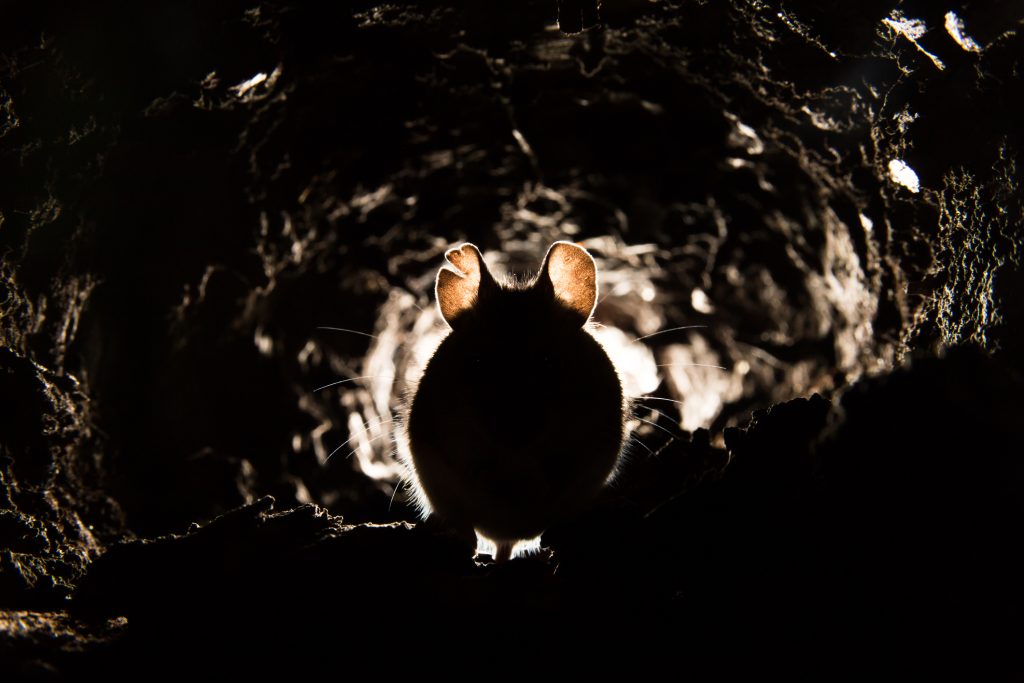
- Rodents and insects often enter through areas homeowners don't notice.
- Pest exclusion helps reduce future infestations.
- Preventative maintenance supports long-term pest control.
Where do pests commonly enter a home?
Many pests enter through gaps around doors and windows, cracks in foundations, roof openings, attic vents, crawl spaces, and areas where plumbing or electrical lines enter the house.
These openings often develop gradually as homes settle or building materials naturally wear over time.
Protecting Your Property Through Proactive Prevention
Keeping pests out starts with identifying and correcting the conditions that allow them inside. Regular inspections, pest exclusion, and routine maintenance help uncover hidden entry points and reduce the risk of future infestations. Browse the frequently asked questions below to learn how proactive prevention can help protect your home or business year-round.
Can damaged weatherstripping increase pest problems?
Regular maintenance helps keep these openings properly sealed.
How does pest exclusion help?
This proactive approach supports long-term pest management rather than simply reacting to active pest problems.
Why are routine inspections valuable?
Routine inspections help identify these issues early, allowing homeowners to correct them before pests move inside.
Keep Pests Outside Where They Belong
Protecting your home begins with identifying the places pests use to enter. Contact Lindy’s Pest Control to learn more about our preventative pest management and exclusion services.
With more than 20 years of experience serving central Kansas, Lindy’s Pest Control provides dependable residential and commercial pest management tailored to the needs of each property. From preventative pest control and termite treatments to rodent control, wildlife removal, and exclusion services, our team is committed to delivering effective, long-term solutions. Browse the frequently asked questions below to learn more about our services, common pest problems, and how we help protect homes and businesses year-round. Browse our frequently asked questions for additional information, or contact our team if you don’t see your question listed.
Pest exclusion involves identifying and sealing areas where pests may enter a structure. It's an important part of preventing future infestations.
Exclusion is highly effective for prevention, but active infestations may also require professional treatment depending on the pest involved.
Yes. Routine inspections help identify developing issues before they become larger pest problems.
