

What Attracts Pests to Your Home?
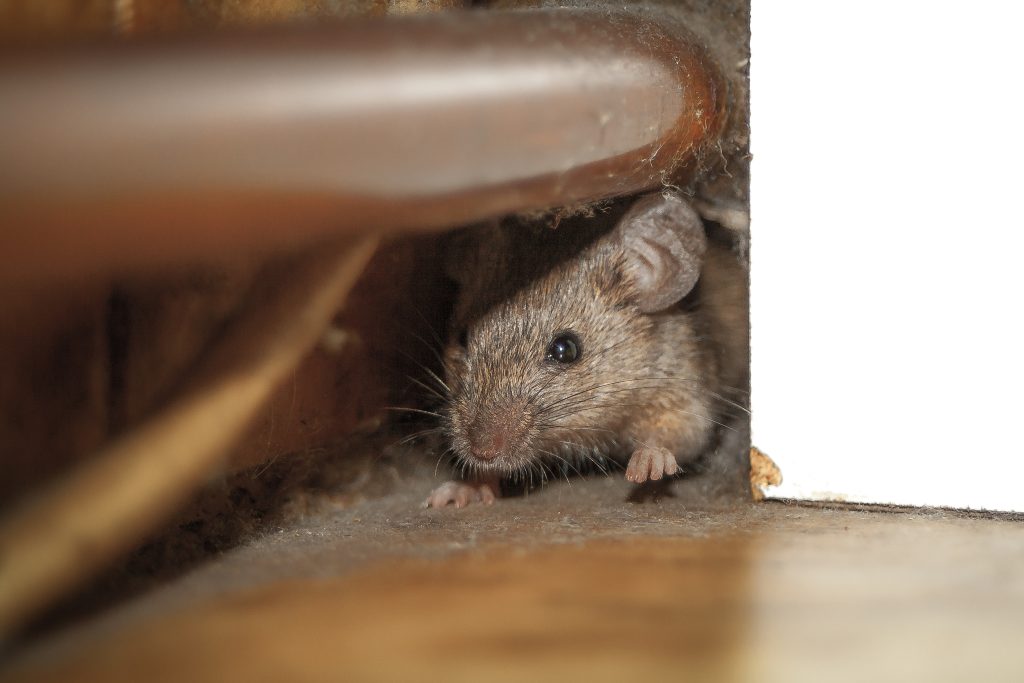
Pests don’t invade homes by accident. They’re usually searching for three basic things: food, water, and shelter. Even a well-maintained home can provide the conditions insects and rodents need to survive if small problems go unnoticed. Understanding what attracts pests is one of the best ways to prevent infestations before they become larger and more expensive to address.
We believe prevention is just as important as treatment. By identifying the conditions that invite pests onto your property, homeowners can take steps to reduce pest activity and better protect their homes throughout the year.
TL;DR: What attracts pests?
- Pests are attracted to food, moisture, shelter, and easy entry points.
- Small maintenance issues can quickly lead to larger pest problems.
- Different pests are attracted to different conditions.
- Preventative pest control helps identify problems before infestations develop.
- Regular inspections can reduce the risk of recurring pest activity.
- Addressing conditions early is often easier than treating a large infestation.

Why are food sources so attractive to pests?
Food is one of the primary reasons pests enter homes. Crumbs, pet food, overflowing trash, and improperly stored pantry items can all provide easy meals for insects and rodents.
Keeping food properly stored and cleaning up spills promptly can help reduce one of the biggest attractions for unwanted pests.
How does moisture contribute to pest problems?
Many insects and rodents need reliable sources of water to survive. Plumbing leaks, standing water, excessive humidity, clogged gutters, and poor drainage can all create conditions that encourage pest activity.
Correcting moisture problems not only protects your home but also removes an important resource that many pests depend on.
Preventing Pest Problems Before They Start
Effective pest prevention starts with identifying the conditions that allow pests to enter and thrive. From sealing entry points and reducing attractants to scheduling routine inspections, proactive pest management helps protect homes and businesses from recurring infestations. Browse the frequently asked questions below to learn more about common pest entry points, prevention strategies, and the benefits of ongoing pest control.
Can small openings allow pests inside?
Finding and addressing these vulnerable areas is an important part of long-term pest prevention.
Why does clutter attract pests?
Keeping storage areas organized and accessible makes it easier to identify pest activity before it becomes a larger problem.
Do different pests look for different things?
Every infestation is different, which is why professional inspections can be valuable when identifying the source of the problem.
How does preventative pest control help?
Protect Your Home Before Pests Move In
Keeping pests out begins with understanding what attracts them in the first place. If you’re concerned about pest activity around your home, contact Lindy’s Pest Control to learn more about our preventative pest management services.
With more than 20 years of experience serving central Kansas, Lindy’s Pest Control provides dependable residential and commercial pest management tailored to the needs of each property. From preventative pest control and termite treatments to rodent control, wildlife removal, and exclusion services, our team is committed to delivering effective, long-term solutions. Browse the frequently asked questions below to learn more about our services, common pest problems, and how we help protect homes and businesses year-round. Browse our frequently asked questions for additional information, or contact our team if you don’t see your question listed.
Yes. Even clean homes can develop pest problems if pests have access to food, water, shelter, or entry points. Routine inspections help identify these conditions before infestations grow.
Different pests become more active during different times of the year. Seasonal pest control helps address changing pest activity as conditions change.
Yes. Preventative pest control helps identify and address potential problems before they become larger infestations, helping protect your home throughout the year.
